You can plan the outfit, the commute, the meeting, the class, the workout, the family visit, the date, the errand, the trip, and the quiet evening. Then your period arrives early, flow gets heavier than expected, cramps start at the wrong time, a leak worry appears, or fatigue changes the size of the day.
That kind of plan change can feel frustrating, especially when you care about being reliable. But a period changing your plans is not a character flaw. It is part of living in a body with a cycle, symptoms, timing shifts, and real practical needs. Menstruation should not be treated as shameful, and needing to adapt does not make you less capable.
This article is a planning guide, not a warning label. It is here to help you make room for real life: the days when your body changes the plan and you still deserve dignity, support, and calm choices.
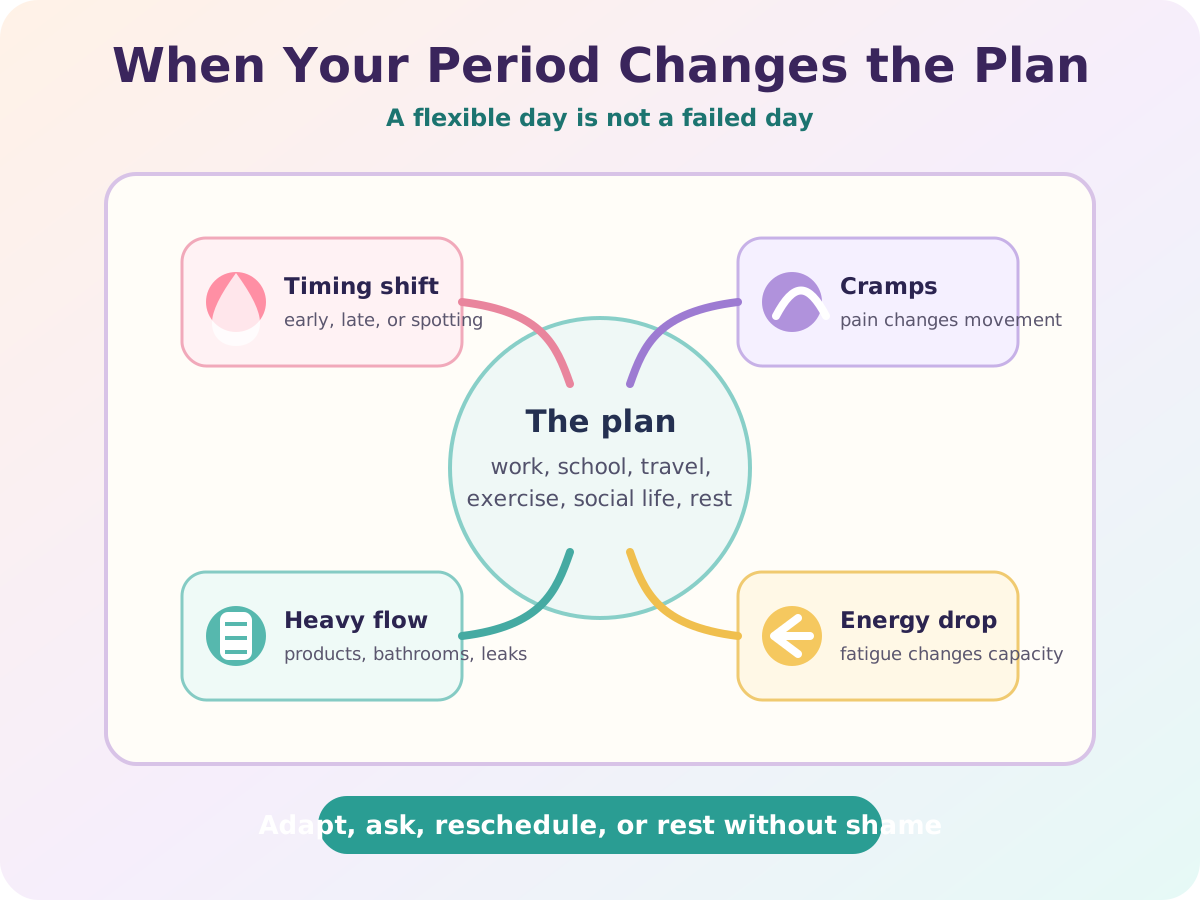
Four plan-change moments many people recognize
Period-related plan changes are not all the same. Naming the type of disruption helps you choose a better response.
1. The timing shift
Your period starts earlier than expected, arrives late enough to make you anxious, or begins as spotting when you thought you had more time. A timing shift can affect travel, intimacy, clothing, workouts, school days, and emotional focus. If changing dates are the main pattern, read Why Period Dates Change From Month to Month.
2. The symptom surge
Cramps, nausea, headache, bowel changes, back pain, or dizziness may appear quickly. Even if bleeding is manageable, pain can change how much movement, concentration, conversation, or commuting you can handle. ACOG notes that painful periods can disrupt everyday activities for some people, and symptoms can include nausea, diarrhea, headaches, and dizziness.
3. The flow problem
Heavy flow can make you think about bathrooms, product changes, backup protection, clothing, seats, bedding, and timing. It can also interrupt sleep or create worry about leaks. If heavy flow often shapes your plans, read Heavy Period Day 1 and Period Leaks at Night.
4. The energy drop
Sometimes the plan changes because your body simply has less fuel. Poor sleep, heavy bleeding, cramps, low appetite, stress, and PMS can combine into a day where normal tasks feel heavier. If this is familiar, Period Fatigue on Heavy Flow Days may help you track the energy-flow connection.
Cancel, adapt, or reschedule?
Not every plan change needs the same response. The goal is not to push through everything. It is also not to cancel everything automatically. A practical middle path is to ask which action matches the symptom load.
| Choice | When it may fit | Example |
|---|---|---|
| Adapt | Symptoms are present but manageable with support | Wear safer clothes, pack extra products, move the meeting later, or switch to a gentler commute. |
| Ask for support | The plan is possible but needs help | Ask for bathroom access, a flexible arrival time, a ride, or help with a task. |
| Reschedule | The plan matters, but today is not the best day for it | Move a workout, social plan, errand, or non-urgent appointment. |
| Rest | Symptoms are severe, unsafe, or clearly beyond your usual pattern | Pause the plan, monitor symptoms, and seek medical advice when needed. |
Changing the plan is not the same as being unreliable. It can be the most reliable thing you do for your body, your safety, and the quality of what you can actually show up for.
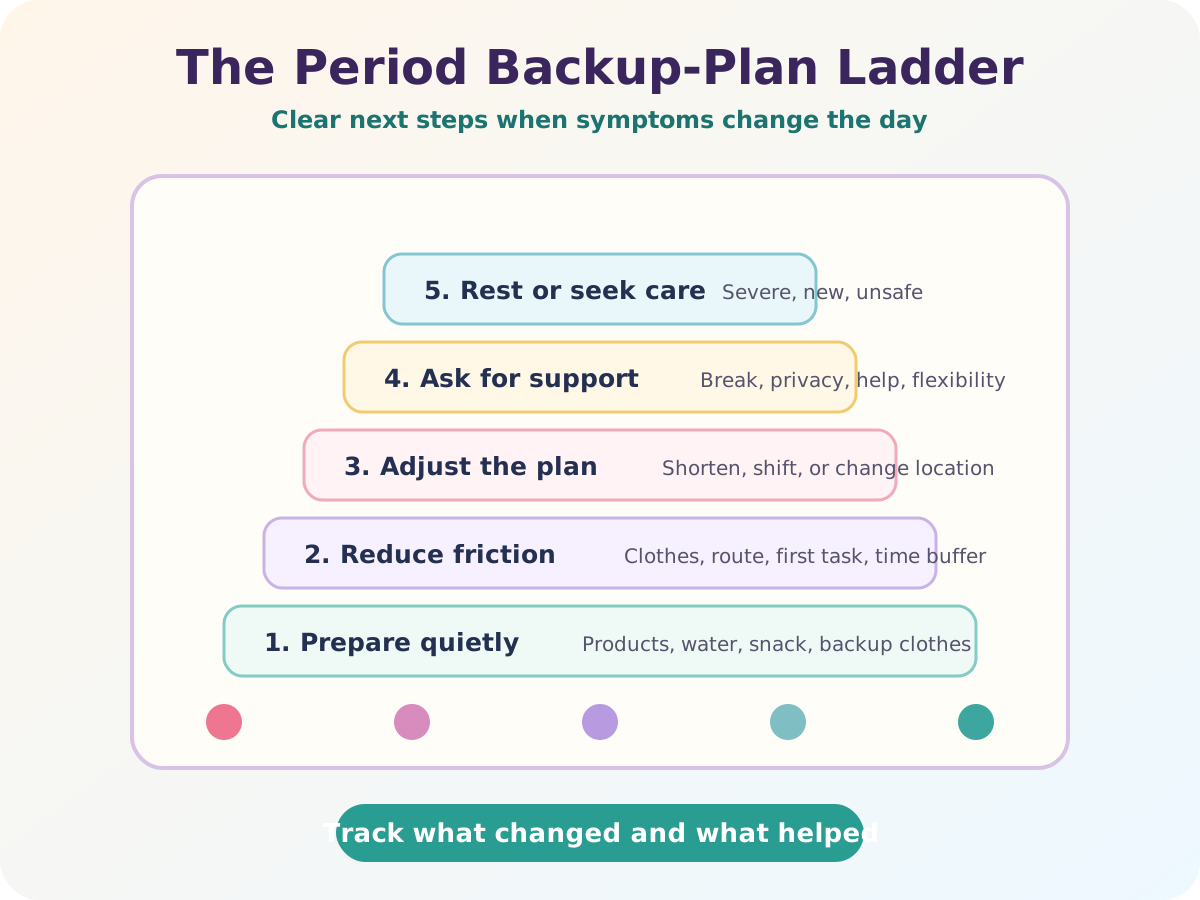
The backup-plan ladder
A backup plan works best when it has levels. That way, you do not have to make every decision while you are already uncomfortable.
- Level 1: Prepare quietly. Pack products, pain relief if safe for you, spare underwear, wipes, water, and a snack that usually feels manageable.
- Level 2: Reduce friction. Choose clothes, routes, seats, and first tasks that lower leak worry, pain, and rushing.
- Level 3: Adjust the plan. Shift timing, shorten the activity, change the location, or choose a calmer version.
- Level 4: Ask for what is reasonable. Request flexibility, privacy, a break, bathroom access, or help with a task.
- Level 5: Stop and seek support. If symptoms are severe, new, unsafe, or disruptive, rest and get medical advice.
What to track after a plan change
The most useful tracking note is not just "bad period day." Try to capture what changed the plan and what made it easier. This creates practical pattern recognition over time.
- Timing: expected period date, actual start date, spotting, early bleeding, late bleeding, or irregular timing.
- Context: work, school, travel, social plans, exercise, sleep, caregiving, or a long errand.
- Main symptom: cramps, heavy flow, leaks, fatigue, nausea, headache, mood, anxiety, dizziness, or low appetite.
- Plan impact: delayed start, changed clothes, skipped commute, rescheduled activity, left early, needed help, or rested.
- Support used: products, heat, fluids, food, medication if safe for you, quiet, flexible timing, or support from someone trusted.
- What to prepare next cycle: extra products, earlier reminders, backup clothes, lighter morning, travel buffer, or medical appointment.
A note like "Period started 2 days early, cramps and heavy flow before meeting, changed to remote call, heat helped, pack products earlier next cycle" is more useful than a vague memory of the day going wrong.
How PeriodlyWise supports flexible planning
PeriodlyWise can help you estimate period windows, notice cycle timing, and connect symptoms with real-life plan changes. It cannot promise that every cycle will follow a perfect calendar. No tracker can. But it can help you become less surprised by your own patterns.
Use the Period Tracker to log start dates, then add context when your period changes a plan. If cycles vary, tracking irregular periods without guessing can help you think in ranges instead of exact promises. If mornings are where plans fall apart most often, read When Your Body Needs Slower Mornings During Your Period.
Tracking is not about making your body obey the calendar. It is about giving future you more options.
Language that removes shame
How you talk to yourself during a plan change matters. Periods are natural, and needing to adapt is not a personal defect. Try replacing harsh language with practical language.
| Instead of | Try |
|---|---|
| "I am ruining everything." | "My body changed the conditions. I can choose the next best step." |
| "I should push through." | "I can check whether pushing through is safe, useful, or unnecessary." |
| "This is embarrassing." | "Periods are natural. I deserve privacy and practical support." |
| "I cannot plan anything." | "I can plan with ranges, backups, and kinder expectations." |
When unpredictable period plans need medical advice
Some unpredictability is common, but certain patterns should not be ignored. Consider speaking with a healthcare professional if your periods suddenly become irregular, much heavier, much more painful, longer than usual, or if bleeding happens between periods or after sex. NHS guidance also suggests getting advice when heavy periods affect daily life, involve frequent product changes, large clots, bleeding through clothes or bedding, or tiredness and shortness of breath.
Seek urgent care if pain is severe or worse than usual and does not respond to usual pain relief, if you feel faint or unsafe, or if symptoms are sudden and worrying. PeriodlyWise can help you bring a clearer timeline to the conversation, but it cannot diagnose the cause.
FAQ
Why did my period change my plans even though I tracked it?
Tracking estimates patterns, but it cannot control symptoms or guarantee exact timing. Stress, sleep, illness, travel, hormonal changes, contraception, and natural cycle variation can all affect timing and symptoms.
Is it okay to reschedule plans because of my period?
Yes. If symptoms affect comfort, safety, focus, travel, or dignity, rescheduling can be a responsible choice. You do not need to feel ashamed for adapting.
What should I pack for unpredictable period days?
Consider products, a backup layer, spare underwear, wipes, water, a simple snack, pain relief if safe for you, and any personal comfort item that helps you manage cramps, leaks, or fatigue.
When should unpredictable periods be checked?
Get medical advice if your pattern suddenly changes, cycles become very irregular, bleeding is very heavy, pain is severe, you bleed between periods, or symptoms such as dizziness, fainting, shortness of breath, or extreme fatigue appear.
Use PeriodlyWise to track dates, symptoms, plan changes, and what helped so your next cycle has more context and less shame.
Open the Period Tracker