Some period mornings ask for a different kind of start. You may wake up with cramps before your alarm, feel tired even after sleeping, notice heavier flow, feel slow in your body, or realize that food, clothes, light, noise, and conversation all feel like too much too soon.
That does not mean the day is ruined. It also does not mean you are weak, dramatic, or falling behind. A slower morning during your period can be a practical response to a body that is doing real work. Menstruation is natural, not shameful, and PeriodlyWise stands with everyone moving through this natural journey with more awareness and less pressure.
This guide is about turning a hard start into a supported start. Instead of asking, "Why am I not normal today?", the better question may be, "What kind of morning would help my body meet the day with less friction?"
What a slower morning really means
A slower morning is not the same as giving up on the day. It is not automatically staying in bed, cancelling everything, or treating your period as a problem. It is a flexible way to reduce avoidable strain during the part of the day when symptoms can feel sharpest.
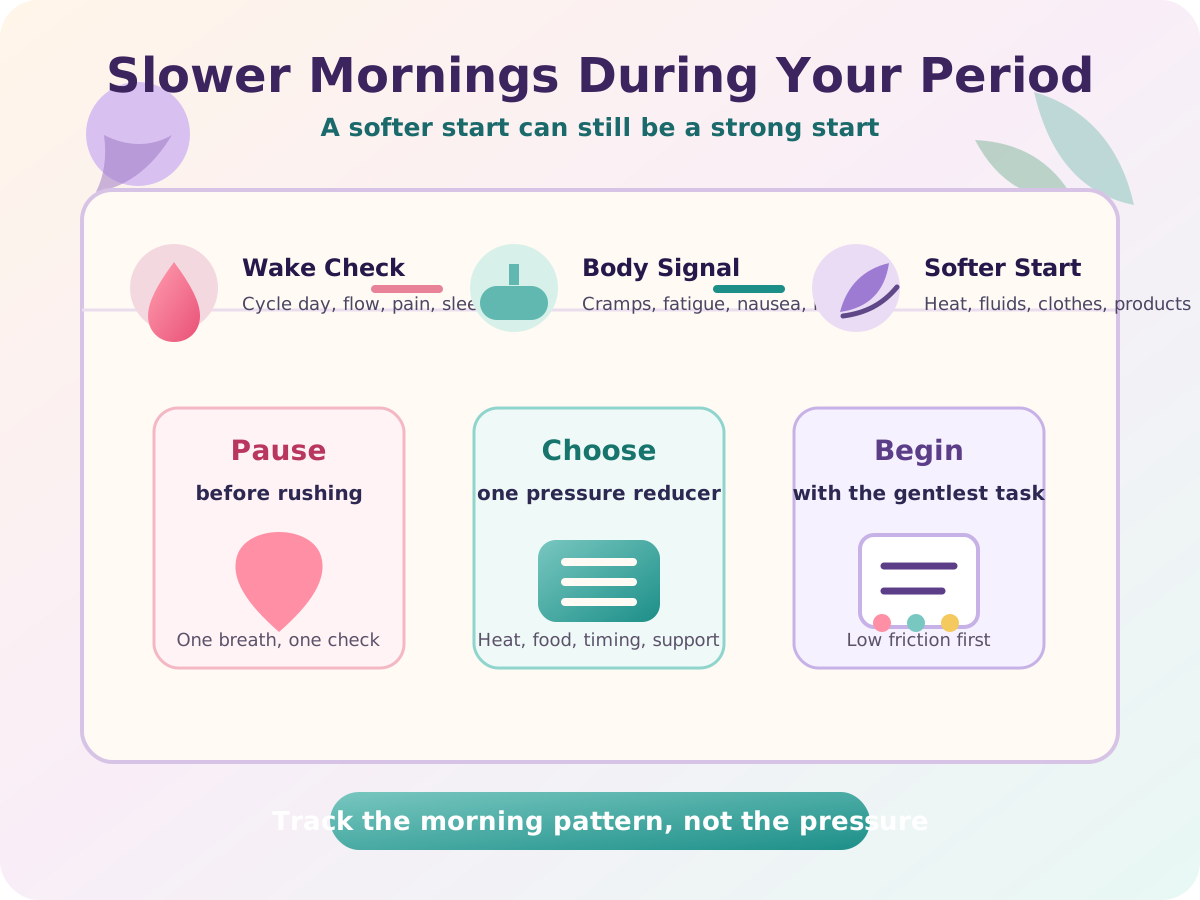
For one person, slower means taking ten extra minutes with heat before getting dressed. For another, it means choosing a softer outfit, packing backup products, eating a smaller breakfast, leaving earlier so the commute is less rushed, or moving the most demanding task to later. For someone else, it means sending one honest message: "I am having a heavy period morning and may need a slower start."
The point is not to build a perfect self-care routine. The point is to stop forcing every cycle day through the same pace when your body is giving different information.
The morning-notice method
Instead of tracking everything at once, use a short morning-notice method. It takes less than a minute and gives you enough information to decide what kind of start your body may need.
- Name the period day: day 1, day 2, a pre-period day, or an unexpected bleeding day.
- Check the strongest signal: cramps, heavy flow, fatigue, headache, nausea, low appetite, bloating, mood sensitivity, dizziness, or poor sleep.
- Choose one pressure reducer: heat, water, food, product change, looser clothes, slower commute, quiet, medication if safe for you, or a later first task.
- Write one note later: what helped, what did not, and whether this pattern repeated from earlier cycles.
This is where period tracking can feel like self-care. You are not collecting data to judge your body. You are collecting clues so the next hard morning does not feel like a surprise you have to solve from zero.
Why period mornings can feel heavier
Period symptoms can feel stronger in the morning for several ordinary reasons. You may have slept badly. Cramps may have built overnight. Flow may feel heavier after lying down. Hunger, dehydration, pain, or anxiety may be present before you have had time to care for them. If your period starts unexpectedly, the morning may also include practical stress: finding products, changing clothes, checking bedding, or adjusting plans.
ACOG explains that period pain can involve prostaglandins, natural chemicals that cause the uterus to contract. Pain can also come with nausea, vomiting, diarrhea, headache, and dizziness for some people. The Office on Women's Health notes that PMS can include tiredness, sleep problems, appetite changes, concentration changes, tension, anxiety, sadness, and mood swings. In real life, these symptoms rarely wait politely for a convenient time.
That is why a slower morning can be medically sensible as well as emotionally kind. It gives symptoms room to settle before the day asks for full speed.
What to adjust without cancelling the day
Many people do not have the option to clear the whole morning. Work, school, caregiving, travel, appointments, and household needs may still be there. The question becomes: what can be adjusted so the day is less punishing?
| Morning signal | Supportive adjustment | What to track in PeriodlyWise |
|---|---|---|
| Cramps before getting up | Heat, gentle stretching, pain relief if safe for you, and a slower first movement | Pain level, location, timing, and what helped |
| Heavy flow or leak worry | Product change, backup layer, darker or looser clothing, and extra product packed | Flow level, product type, wear time, leaks, and clots |
| Low appetite or nausea | Warm fluids, small bites, bland food, and avoiding pressure to eat a full meal immediately | Appetite level, nausea, food, fluids, and dizziness |
| Poor sleep | Move deep-focus work later, use reminders, and reduce morning multitasking | Bedtime, wake-ups, energy, focus, and mood |
| Mood sensitivity | Quiet start, fewer rushed conversations, and a kinder script for yourself | Emotional tone, stress context, support, and what helped |
If fatigue and heavy flow often arrive together, read Period Fatigue on Heavy Flow Days. If low appetite is part of the pattern, Low Appetite During Your Period can help you plan gentle food and fluids without shame.
A 20-minute soft-start plan
You do not need an elaborate routine. A simple 20-minute soft start can be enough to make a period morning feel less abrupt.
- Minutes 0 to 5: check flow, pain, dizziness, and product needs before rushing upright.
- Minutes 5 to 10: use heat, water, prescribed or over-the-counter medicine if appropriate for you, or a quiet breathing pause.
- Minutes 10 to 15: choose clothes and products for the body you have today, not the body you expected yesterday.
- Minutes 15 to 20: pick the first task that has the lowest emotional and physical friction.
This plan is not a rule. It is a menu. If you only have five minutes, take the most useful part: check the body, reduce one pressure point, and leave one note for future you.
How PeriodlyWise can help you plan for slower mornings
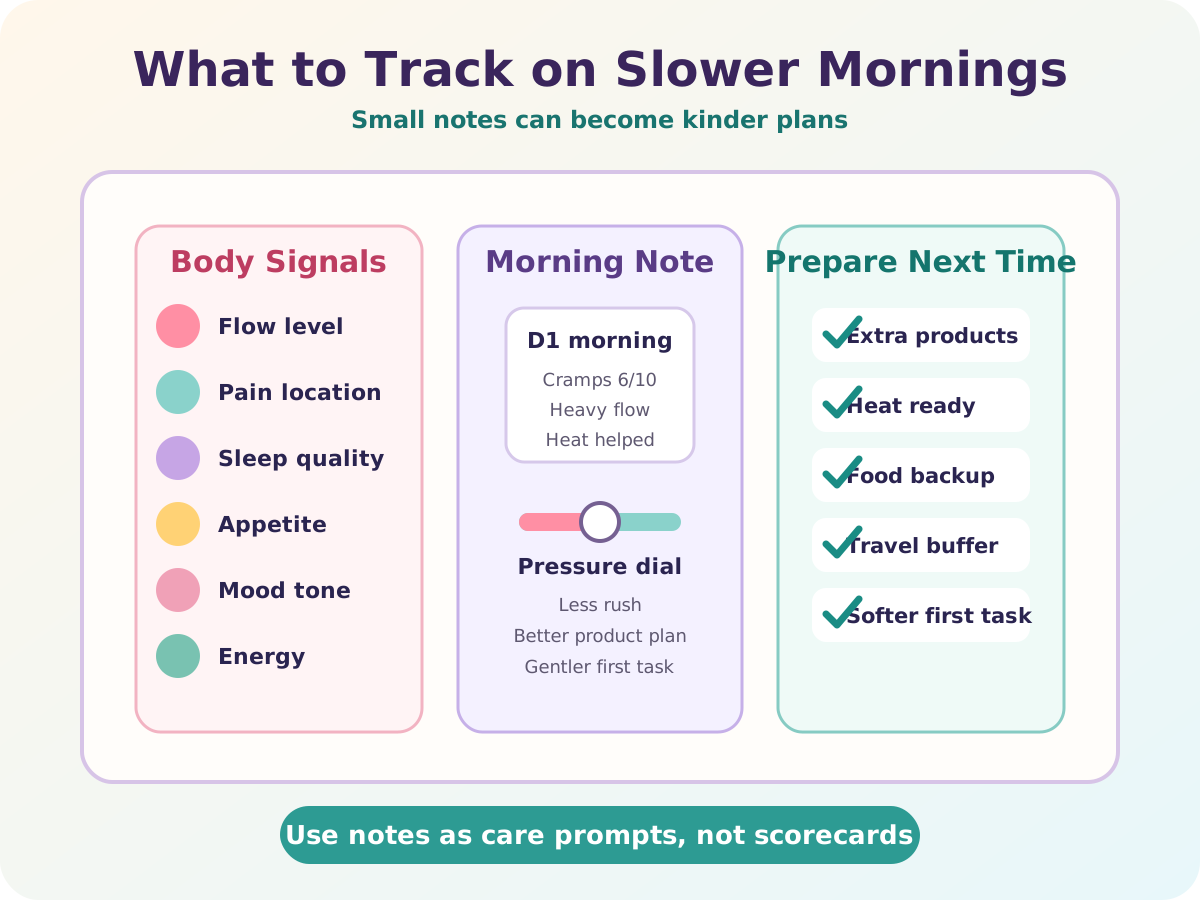
Use PeriodlyWise to estimate your next period window, then add short notes when a morning needs a different pace. You might notice that day 1 always needs heat before breakfast, day 2 needs extra product planning, or the two days before bleeding need more sleep protection.
A useful note can be simple: "D1 morning, cramps 7/10, heavy flow, low appetite, heat helped, delayed deep work." Over a few cycles, those notes become a plan. They help you prepare products, food, clothing, alarms, work blocks, travel time, and rest without treating your period as a shameful interruption.
If sleep is the main reason mornings feel hard, read Period Insomnia. If cramps feel worse overnight and shape your morning, see Period Cramps at Night.
What not to blame yourself for
Do not blame yourself for needing more time. Do not blame yourself for choosing clothes that feel safer. Do not blame yourself for packing extra products, eating smaller meals, using heat, rescheduling a non-urgent task, or moving more slowly through the first hour.
There is a difference between respecting your body and making your period the center of your identity. Slower mornings are not a label. They are a practical support for certain days.
When slower mornings need medical support
A slower morning is often a comfort strategy, but some symptoms deserve medical advice. Consider speaking with a healthcare professional if period pain stops you from normal activities, becomes more severe than usual, does not improve with usual care, or comes with pain during sex, pain when peeing or pooing, bleeding between periods, or a swollen tummy.
Also seek support if heavy bleeding affects daily life, if you soak through protection very quickly, pass large clots, feel faint, dizzy, unusually exhausted, short of breath, or if your cycle suddenly becomes much heavier, more painful, or irregular. Tracking can help you explain the pattern clearly, but it does not replace diagnosis or treatment.
FAQ
Is it normal to need more rest in the morning during my period?
Many people feel more tired, crampy, sensitive, or uncomfortable during some period mornings. It can be common, but severe fatigue, dizziness, shortness of breath, very heavy bleeding, or symptoms that disrupt daily life should be discussed with a healthcare professional.
Does a slower morning mean I should skip work or school?
Not always. Sometimes a slower morning means adjusting your first hour, using heat, changing products, eating gently, or reducing rushed tasks. If symptoms regularly make work or school impossible, medical support is worth seeking.
What should I track if mornings are the hardest part of my period?
Track cycle day, wake time, sleep quality, pain level, flow, product needs, appetite, nausea, dizziness, mood, energy, and what helped. The goal is to learn your pattern, not to criticize it.
Can PMS affect my morning energy?
Yes. PMS can include tiredness, sleep problems, appetite changes, mood changes, anxiety, and trouble concentrating. If the pattern is strong or disruptive, track timing and discuss it with a healthcare professional.
Use PeriodlyWise to connect cycle timing, sleep, flow, pain, appetite, mood, and what helped so future mornings can feel less rushed and more supported.
Open the Period Tracker